Comfort, construction & everyday living
What Sofa Cushion Construction Means for Everyday Comfort
A sofa can look inviting from across the room, but the real test begins when you sit down—and continues months and years later. Cushion cores, back-cushion fill and the support system beneath the seat all shape that experience. Understanding how those parts work together makes it easier to choose a sofa that feels right for your routines, not just your room.
Think of a sofa as a small team. The seat cushion carries much of the body’s weight; the back cushions help support posture and create that settled-in feeling; and the frame and suspension beneath them provide the foundation. A difference in any one component can change how the whole piece feels. A soft top layer may feel welcoming at first, for example, while the material underneath determines whether the seat continues to feel supported.
That is why “comfortable” does not describe one universal cushion recipe. Some people prefer a seat that feels gently yielding; others want firmer support that makes it easy to sit upright and stand again. The right choice depends on how the sofa will be used, how long people typically sit, and what kind of upkeep feels reasonable. Looking beyond a model name to its actual construction details gives you a more useful comparison.
The three layers behind a sofa’s feel
When evaluating sofa cushion construction, it helps to separate three related elements: the seat cushion, the back cushion and the support system. They work together, but each has a different job. If a product description mentions a foam core, feather-like fill, webbing or a no-sag support system, those terms refer to different parts of the seating experience—not interchangeable ways of saying “soft.”
Seat cushion: the part you feel first
The seat cushion is the main contact point when you sit. Its materials and shape affect how quickly you settle into the sofa, how much resistance you feel underneath, and how well the cushion returns to its shape after use. A foam core can provide a defined inner structure, while a softer top layer may make the surface feel more inviting. The exact result depends on the construction as a whole; “foam” alone does not tell you how firm or plush a cushion will feel.
Seat dimensions matter, too. A deeper seat can encourage lounging, but it may feel less natural for someone who prefers to sit upright with their feet comfortably on the floor. Seat height, cushion depth and the angle of the back all influence how a sofa supports different bodies. Cushion fill is important, but it cannot be considered in isolation from those proportions.
Back cushions: support and softness behind you
Back cushions help determine whether a sofa feels upright, relaxed or somewhere between the two. Their thickness, shape and fill can change how much the sitter sinks back and how much adjustment is needed to find a comfortable position. Loose or fitted back cushions may also differ in how they’re arranged and maintained.
Decorative pillows can add a welcome layer of softness, but they do not necessarily replace a supportive back cushion. If you regularly use a sofa for reading, working or long conversations, notice whether the back offers enough support without needing a stack of extra pillows. If lounging is the priority, you may welcome a softer, more relaxed feel.
The support system: what sits beneath the cushions
Under the seat cushion is a support system attached to the sofa’s frame. It helps distribute weight and contributes to the way the seat responds when someone sits down. Webbing, eight-way support and no-sag support are different construction approaches. The name of a system is useful information, but it does not by itself guarantee a particular comfort level or predict precisely how a sofa will feel in your home.
Think of the support system as the floor beneath a mattress: it is part of the experience even when it is not visible. A cushion may feel plush in a showroom, but the structure below it also influences how that softness is delivered. For a more complete picture, consider the cushion description and the support system together.
Three construction approaches in Cisco Home sofas
The Cisco Home Lorenzo, Lilly and Vista offer a helpful comparison because their listed construction details are not identical. Each has a hardwood frame, but the available specifications describe different seat-cushion and support approaches. These differences are worth exploring as clues to the seating experience, while remembering that personal comfort is best judged in person whenever possible.
Lilly: a foam-core seat with eight-way support
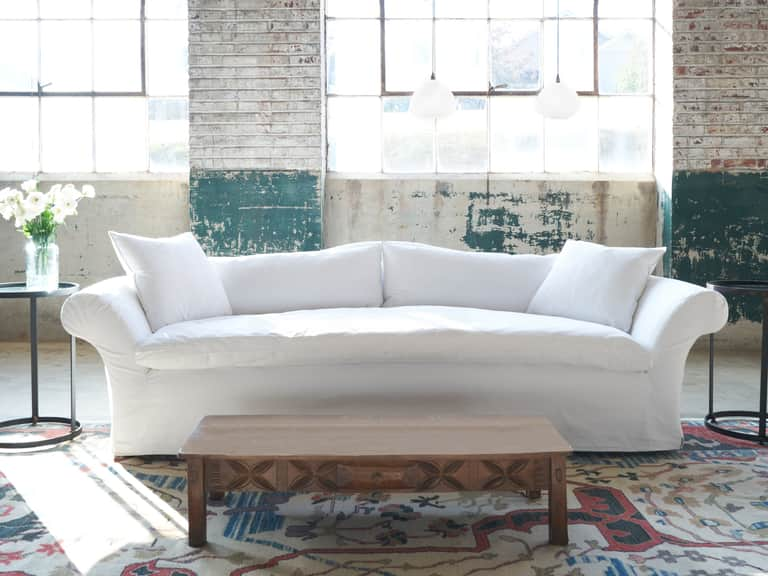
The Cisco Home Lilly Sofa is listed with a seat cushion described as a topper with a foam core, fitted back cushions and an eight-way support system. That combination gives shoppers a more specific starting point than a general promise of plushness. A foam core provides structure within the seat cushion, while the topper contributes to the surface feel. The full sensation depends on the materials and proportions together.
The Lilly has a listed overall size of 100 inches wide by 39 inches deep, with a 75-inch sitting space and a 24-inch seat depth. Its seat height is 19 inches. Those measurements can help set expectations: the usable sitting area is narrower than the sofa’s full width, and the seat depth is a practical detail to compare with your own preferred posture. The sofa also includes two accent pillows, which can add comfort and flexibility when settling in.
The eight-way support detail describes the system beneath the cushions rather than the cushion fill itself. It is one part of the Lilly’s construction, alongside its FSC-certified hardwood frame. For everyday comfort, consider how the firmer structure of a foam-core cushion feels to you and whether the sofa’s dimensions suit your household. A neat product description cannot replace the simple test of sitting, shifting position and getting back up.
Vista: soft-fill cushions with no-sag support
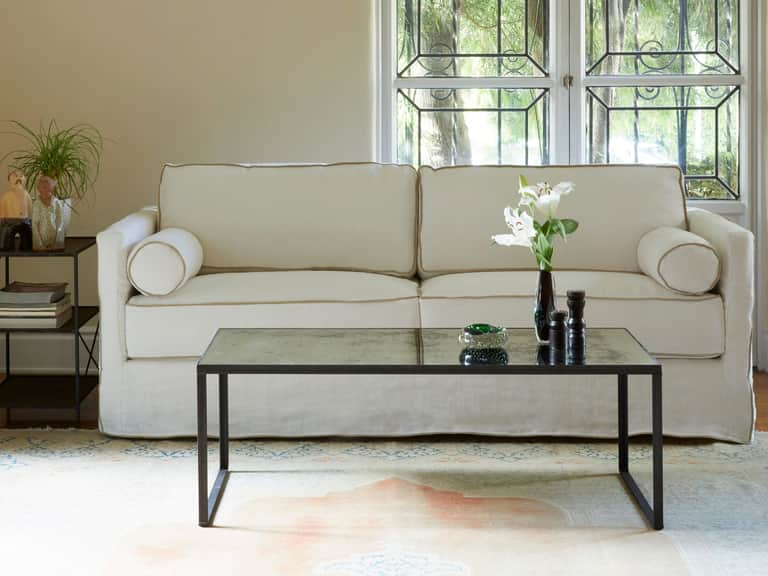
The Cisco Home Vista Sofa is described as having a two-over-two seat design with soft fill, feather-cloud cushion details and two bolster pillows. Its seat and back each have two cushions. The product information also lists no-sag support beneath the cushions and an FSC-certified hardwood frame.
“Soft fill” and “feather cloud” suggest a softer, more relaxed cushion character, but those phrases should not be treated as precise measurements of firmness. They are a prompt to ask how the cushions feel when you sit and whether their softness suits the way you use a sofa. The bolsters can offer extra positioning options, but they are separate from the main seat and back cushions.
The Vista is listed at 84 inches wide and 36 inches deep, with a 60-inch sitting space, a 26-inch seat depth and a 19-inch seat height. That more compact width may be relevant for a smaller living area or a room where the sofa needs to share space with other seating. The dimensions do not determine comfort on their own, but they help you understand how the sofa may fit both the room and your preferred seating posture.
Lorenzo: three seat cushions with webbing support
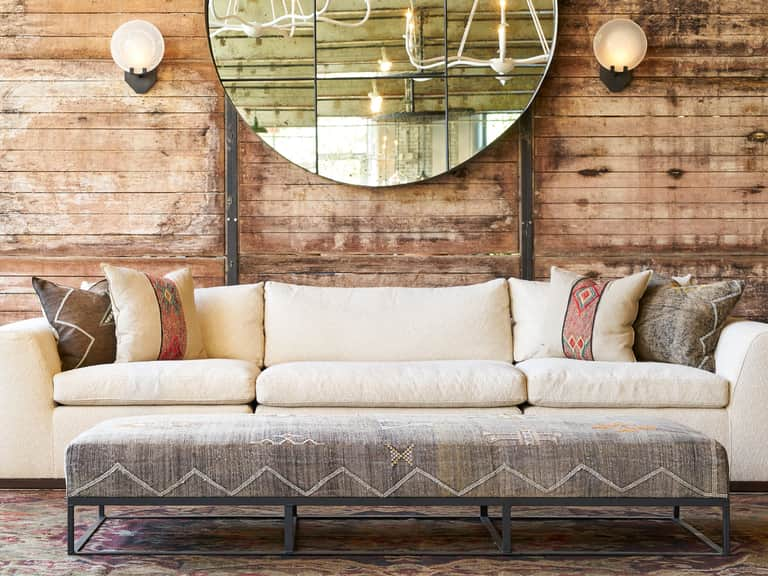
The Cisco Home Lorenzo Sofa offers three seat cushions and three back cushions, with webbing listed as its support system. Its description emphasizes a generous scale: 126 inches wide overall, 42 inches deep, and 110 inches wide across the sitting space. The listed seat depth is 27 inches and seat height is 18 inches.
Webbing refers to the support beneath the cushions, not to the fill inside them. The product details do not specify a particular seat-cushion fill, so it is sensible to avoid assuming that its cushions are foam, feather or any other material. Instead, treat the listed cushion count, dimensions and support system as useful facts, then ask for current cushion-fill information if that detail matters to your decision.
With three separate seat cushions, the Lorenzo creates defined seating positions across its wide frame. That arrangement may appeal to households that want a broad sofa for several people, while the generous seat depth may suit those who like to lounge. Because sitting preferences vary, try the cushion layout and depth if possible. A sofa that feels wonderfully roomy to one person may feel too deep for someone who prefers a more upright sit.
Softness is not the same as support
One of the most common shopping mix-ups is treating softness and support as opposites. A cushion can feel soft at the surface while still having a more structured core beneath it. Conversely, a seat can feel firm without necessarily being comfortable for everyone. The goal is not to find the softest or firmest option; it is to find a combination that suits your body, habits and expectations.
For example, a household that uses the sofa for long stretches of reading, television or conversation may value a seat that stays comfortable without requiring constant repositioning. Someone who mainly wants a place to curl up may prioritize a more relaxed feel and generous depth. Families may need to think about how often cushions will be used and whether removable or adjustable components are important for everyday care.
Comfort also changes with posture. A cushion that feels pleasant for a quick sit may feel different after an hour. Try sitting normally, leaning back, moving to the edge and shifting into your usual lounging position. Notice whether you feel supported or whether you are continually reaching for a pillow. If multiple people will use the sofa, invite them to try it, too; comfort is personal, and household preferences may not match.
How to compare cushion construction before you choose
A few focused questions can turn a showroom visit or product-page review into a more useful evaluation. Start with what is documented, then clarify anything that remains uncertain. Product descriptions sometimes use broad terms, so asking for specifics is a sensible part of the process—not a sign that you are overthinking a purchase.
- What is inside the seat cushion? Look for details about the core and any topper or outer fill. If the description does not name the materials, ask rather than guessing.
- What is the back cushion fill? Seat and back cushions can use different constructions. A description of one does not automatically explain the other.
- What support system is beneath the seat? Identify whether the listing names webbing, eight-way support or no-sag support, and ask what that means for the particular model.
- How deep is the usable seat? Overall sofa depth includes more than the area where you sit. Compare the stated sitting-space depth with your own posture and preferred leg position.
- Are the cushions fixed or movable? Cushion arrangement can affect how you adjust the seat and how convenient it is to maintain the sofa. Confirm the configuration for the model and upholstery option you are considering.
- What care does the fabric require? Upholstery and cushion construction are separate decisions, but both contribute to everyday practicality. Check the care guidance for the selected fabric rather than relying on assumptions.
When possible, test a floor model with the same cushion configuration you are considering. If the displayed sofa has different upholstery, cushion options or dimensions, ask whether those differences could affect the feel. A short sit is not a perfect preview of years of use, but trying the sofa in several positions is more revealing than judging it by appearance alone.
Everyday maintenance: what cushion details can tell you
Construction can influence not only comfort but also how a sofa fits into a daily routine. Cushions may need occasional attention as they are used, and upholstery care depends on the fabric selected. Check the manufacturer’s current instructions for the specific configuration rather than assuming that every cushion can be flipped, rotated or cleaned in the same way.
Separate seat cushions, as on the Lorenzo and Vista, create an individually defined seating arrangement. The Lilly’s listed one-piece seat cushion topper and fitted back cushions create a different setup. Neither arrangement is automatically better: what matters is whether you like the look, feel and practical routine of the design. Ask which elements are removable and what care is recommended for the exact version you plan to order.
Be cautious about interpreting sustainability or frame information as a promise about cushion performance. The three sofas are listed with FSC-certified hardwood frames, but frame sourcing and cushion fill describe different aspects of a sofa. A strong frame is part of the foundation; it does not, by itself, establish how soft the seat will feel or how the cushions should be maintained.
Which construction might suit your routine?
If you like a seat with an identified inner structure, the Lilly’s foam-core cushion and topper are worth investigating. Its listed 24-inch seat depth may be a useful point of comparison if you prefer a moderately deep place to sit. Remember that the support system, fitted back cushions and your individual posture all contribute to the experience.
If a softer cushion description appeals to you, take a closer look at the Vista. Its soft-fill description, feather-cloud details and bolsters point toward a relaxed seating character, while the no-sag support system is a separate construction feature beneath the seat. Try the sofa in person if you want to understand how those components feel together.
If you need a wide sofa and like a three-cushion seat layout, the Lorenzo may be the model to explore. Its 27-inch listed seat depth is notably worth checking against your preferred sitting position, and its webbing support gives you a specific construction detail to ask about. Since the available product information does not name the seat-cushion fill, request that information if it is important to your choice.
These comparisons are starting points, not verdicts. The right sofa is the one that works with your room and feels comfortable in the way you actually live. A cushion description can explain the ingredients; trying the seat helps you decide whether the recipe suits you.
The bottom line on sofa cushion construction
Sofa comfort is a team effort. The seat-cushion core shapes the immediate feel, back cushions influence how you settle in, and the underlying support system contributes to the seat’s response. Dimensions—including seat depth and height—complete the picture. Looking at all of these details together is a better way to compare sofas than relying on words such as “plush” or “comfortable” alone.
The Cisco Home Lilly, Vista and Lorenzo illustrate why those distinctions matter. The Lilly lists a foam-core seat cushion and eight-way support. The Vista lists soft-fill cushions, feather-cloud details and no-sag support. The Lorenzo lists three seat cushions and webbing support, with its seat-fill specification not stated in the available description. Each set of details offers useful clues, but none can replace your own comfort preferences.
Before choosing, check the measurements, ask about any unlisted materials, and spend time sitting in the position you use most often. That little bit of investigation can help you move beyond a sofa that merely looks inviting toward one that feels at home in your everyday life.